




How Good Content Builds Trust with Customers
Trust is the foundation of every successful brand relationship. Good content helps businesses earn credibility, educate audiences and turn casual visitors into loyal customers.
Trust-Building Content
Authentic
Real stories, real expertise and honest communication build credibility.
Consistent
Regular content shows your audience that your brand is active and reliable.
Helpful
Educational content solves problems and gives people a reason to trust you.
Trust Is the Cornerstone of Customer Relationships
Trust is the cornerstone of every successful relationship, whether personal or professional. In the digital world, where consumers are surrounded by ads, offers and constant online noise, trust becomes even more important. Without it, even the most polished marketing strategy can fail to deliver results.
Good content does not just inform. It builds credibility, nurtures relationships and turns readers into loyal customers.
1. Authenticity Builds Credibility
In an age where audiences are more sceptical than ever, authenticity has become essential. Consumers can quickly detect messaging that feels overly polished, forced or insincere.
Real Stories Build Real Trust
Brands that share genuine stories, practical experience and real expertise are more likely to earn customer confidence.
- Share real experiences
- Show your values
- Avoid empty promises
- Communicate honestly
Values Make Brands Memorable
Authentic content can show what your business stands for, helping your brand become more than just a product or service provider.
- Stronger identity
- More emotional connection
- Better brand recognition
- Greater audience loyalty
2. Consistency Creates Reliability
Trust is not built in a single moment. It develops over time. Regular content publishing shows your audience that your brand is active, reliable and committed to providing value.
Blog Posts
Regular blog posts build anticipation and position your website as a useful resource.
Newsletters
Consistent newsletters remind subscribers that your brand is present, helpful and dependable.
Social Media
Regular social media engagement shows followers that you are listening and available.
Long-Term Value
Over time, consistency creates trust because people know they can count on your brand.
3. Educating Instead of Selling
One of the biggest mistakes brands make is focusing too heavily on promotion. Today’s consumers do not want to be sold to all the time. They want to be educated, informed and empowered.
Answer Customer Questions
Helpful content explains topics your audience already cares about and makes your brand more useful.
Guide Better Decisions
Educational guides help customers compare options, understand value and make confident choices.
Give Value First
Free guides, templates, tutorials and advice can build trust before a customer is ready to buy.
Position Your Brand as an Authority
When your content teaches something useful, your business becomes a trusted source of knowledge.
4. Engagement Strengthens Relationships
Content is not a one-way broadcast. When your business invites comments, feedback and discussion, it creates dialogue and gives customers a reason to feel involved.
Respond to Comments
Replying to blog comments and social media messages shows readers that their opinions matter.
Build Community
Interacting with followers creates a sense of connection and makes your brand feel more human.
Feature User Content
User-generated content gives audiences a chance to feel part of your brand story.
Make People Feel Heard
When people feel heard, they feel valued, and that strengthens their relationship with your brand.
5. Transparency Acts as Proof
Transparency builds trust faster than any marketing gimmick. Sharing behind-the-scenes insights, admitting mistakes or openly discussing challenges shows that your brand is human and relatable.
Show the Real Process
Behind-the-scenes content helps audiences understand how your business works and what makes your approach trustworthy.
Use Social Proof
Case studies, customer testimonials and reviews reassure potential buyers by showing real experiences from other customers.
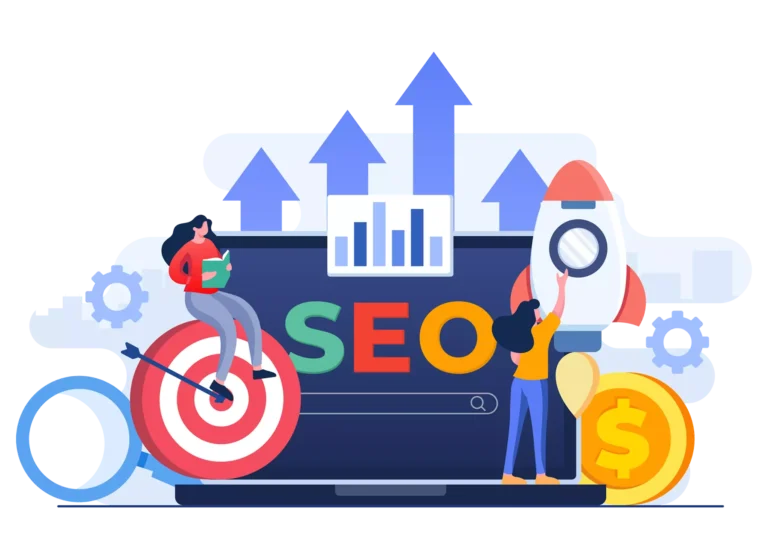
6. Good Content Fuels SEO and Discoverability
Trust is also connected to visibility. If people cannot find your brand, they cannot trust it. Good content optimised for SEO helps your business appear when customers search for answers.
Match Search Intent
In-depth articles, tutorials and resources help answer real customer questions and improve search relevance.
Build Familiarity
When customers repeatedly find your content in search results, they begin associating your brand with reliability.
Show Authority
Helpful content signals expertise to both users and search engines, supporting stronger digital authority.
Increase Brand Visibility
SEO-focused content makes your business more discoverable when people are actively looking for solutions.
7. Storytelling Humanises Your Brand
Facts and statistics are useful, but stories are what truly resonate with people. Storytelling helps your audience connect emotionally with your brand.
Show Customer Journeys
Instead of only listing product features, share how a customer used your service to solve a real problem.
Show the People Behind the Brand
Stories about your journey, challenges and team make your business more human, relatable and trustworthy.
8. Measurable Results Reinforce Trust
Good content can be measured. Analytics tools allow you to track performance such as clicks, shares, time on page and conversions. These insights show what your audience values most.
Track Content Performance
Measure which content attracts attention, supports engagement and moves customers closer to action.
Learn from Audience Behaviour
Analytics helps your business understand what people read, share, download or respond to most.
Show Credibility
Sharing positive results, downloads or customer outcomes can reinforce confidence in your brand.
Improve Future Content
Measurable results help refine your strategy so future content becomes more useful and effective.
Trust Comes from Helpful, Reliable Content
Trust is not built overnight. It comes from sharing helpful, engaging and reliable content. When your audience sees that you consistently provide real solutions instead of only promotions, they begin to view your brand as an authority.
Build Credibility Over Time
Consistent content strengthens your reputation and helps customers believe in your message, values and expertise.
Turn Readers into Supporters
When people find repeated value in your content, casual readers can become loyal supporters and long-term customers.
You Do Not Buy Trust — You Earn It
In the digital era, content is more than marketing material. It is a trust-building tool. Authenticity creates credibility, consistency creates reliability, education builds authority, and storytelling creates emotional connection.
Become the Trusted Choice
Brands that commit to valuable content do not only win attention. They earn loyalty in a competitive marketplace.
Build Stronger Relationships
High-quality content helps your business become more visible, more credible and more meaningful to customers.
Complete Digital Solutions That Build Trust
PRO.COMP Solutions delivers more than simple IT services. We create complete digital solutions tailored to your business, from influencer marketing and SEO to website development, database systems and graphic design.
Content, SEO and Marketing
We help your brand grow through useful content, stronger visibility and marketing strategies designed to build trust.
Web, Design and Digital Systems
We combine creativity and technical expertise to help your business build a professional online presence and achieve real results.
Need Content That Builds Trust?
PRO.COMP Solutions can help your business create stronger content, improve SEO visibility and build a digital presence that earns customer confidence.
Contact Us Today










3 Comments
Fantastic read… this nails why content is the backbone of trust online. We shifted our strategy last year from product-first posts to educational guides and storytelling, and the difference in repeat traffic and lead quality was immediate. People engage more when they feel helped, not sold to. The advice about consistency and transparency is spot on… those two have become non-negotiables in our editorial calendar.
Thank you, James 🙂
Great breakdown! We doubled down on case studies and how-to content after seeing diminishing returns from PPC alone. Not only did our organic traffic improve, but demo requests from qualified leads rose by 40%. Content that teaches and proves value builds credibility far faster than any flashy ad. Highly recommend making content strategy a core part of your product roadmap.