


Understanding Web Design and Development
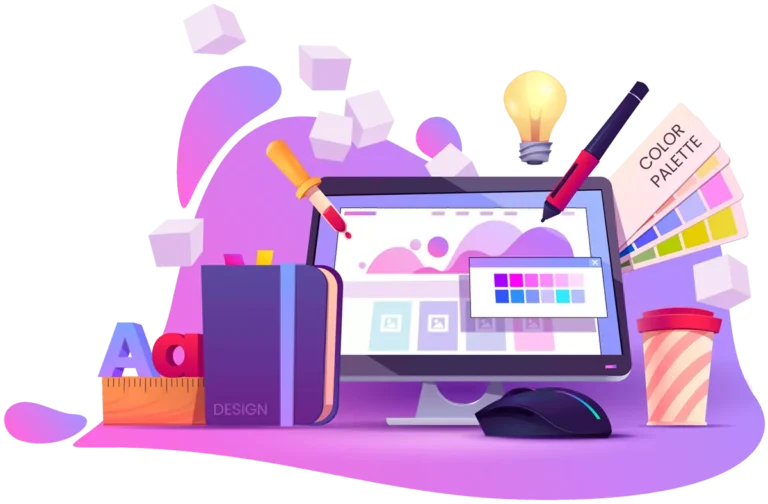
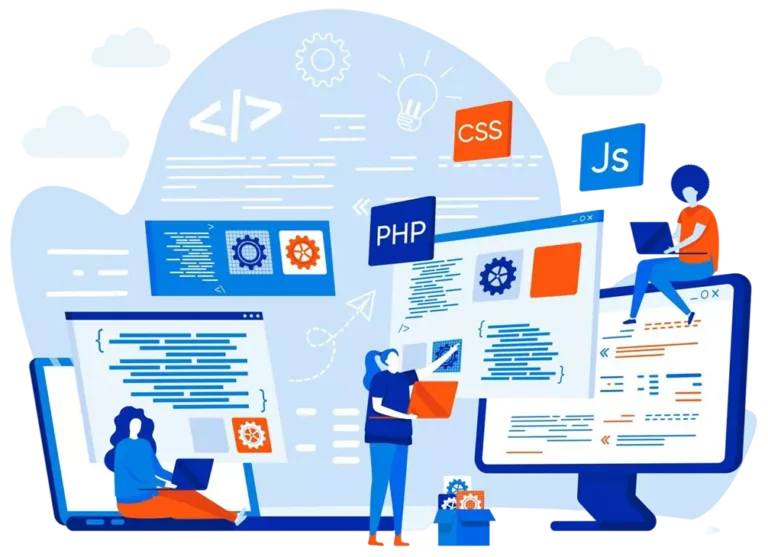
Effective websites combine strong visual design, clean structure, responsive layouts, user-focused experiences and reliable code. Together, these elements help businesses create professional digital platforms that users can trust and enjoy.
Understanding the Fundamentals of Web Design
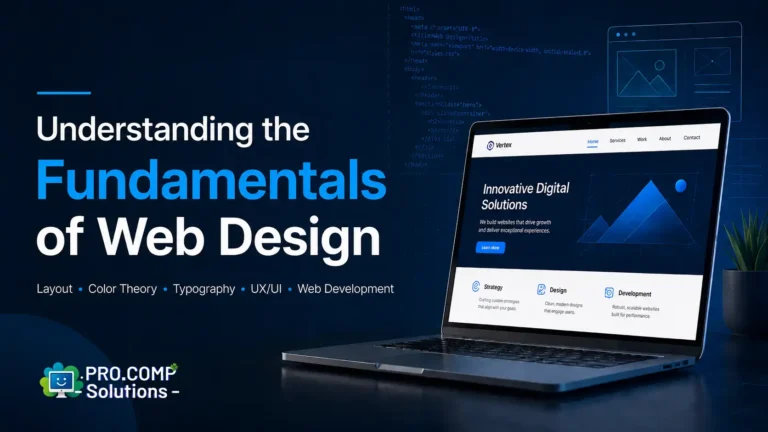
The foundation of effective web design rests on core principles that guide the creation of visually appealing, functional and user-friendly websites.
Layout
Layout controls how visual elements are arranged on a webpage. A well-structured layout improves navigation, makes information easier to find and creates consistency across different screen sizes.
- Clear page structure
- Balanced spacing
- Grid-based design
- Responsive layouts
Colour Theory
Colour helps create visual hierarchy, emotion and brand recognition. Strong contrast between foreground and background elements improves readability and supports important actions such as buttons and forms.
- Brand colour palettes
- Contrast and readability
- Visual hierarchy
- Call-to-action focus
Typography
Typography affects professionalism, readability and clarity. Consistent font choices, sizes and weights help guide users through content and strengthen the overall visual identity of a website.
- Readable font choices
- Consistent text styles
- Strong heading hierarchy
- Improved content flow
By understanding layout, colour and typography, designers can create websites that look professional, communicate clearly and work effectively across desktops, tablets and mobile devices.
Essential Programming Languages for Web Development
Web development relies on different languages and frameworks that work together to build structure, styling, interactivity and advanced functionality.
| Technology | Main Role | Why It Matters |
|---|---|---|
| HTML | Creates the structure and content of a webpage. | It defines headings, paragraphs, images, links, forms and page sections. |
| CSS | Controls the visual presentation of the website. | It manages colours, spacing, layouts, fonts and responsive design. |
| JavaScript | Adds dynamic behaviour and interactivity. | It supports menus, sliders, forms, animations and real-time updates. |
| Python | Supports back-end development and web applications. | Frameworks such as Django and Flask help build secure and scalable systems. |
| TypeScript | Adds stronger structure to JavaScript projects. | It helps developers manage larger applications with fewer coding errors. |
Frameworks and Tools Used in Web Projects
Modern web development often uses frameworks, libraries and tools to speed up the process and improve performance, scalability and maintainability.
React, Angular and Vue
JavaScript frameworks and libraries help developers create interactive interfaces, single-page applications and reusable components.
Django and Flask
Python frameworks are often used for back-end development, database-driven systems and scalable web applications.
CMS Platforms
Systems such as WordPress, Shopify and Joomla help businesses manage content, products, bookings and website pages more easily.
Development Tools
Tools for testing, version control, optimisation and deployment help developers build reliable websites that are easier to maintain.
Trends in Web Design and Development
Web design and development continue to evolve as user expectations, technology and digital experiences change.
Minimalist Design
Minimalist design removes clutter and focuses attention on essential content. This can improve usability, navigation and loading speed.
Dark Mode
Dark mode provides an alternative interface that can feel more comfortable in low-light environments and gives users more control over how they view content.
Microinteractions
Small animations and feedback cues make websites feel more responsive. They can guide users through actions such as clicking buttons, submitting forms or completing tasks.
Accessibility
Accessible design helps more people use websites comfortably. This includes readable text, strong contrast, keyboard navigation and screen reader support.
The Importance of User Experience and User Interface Design
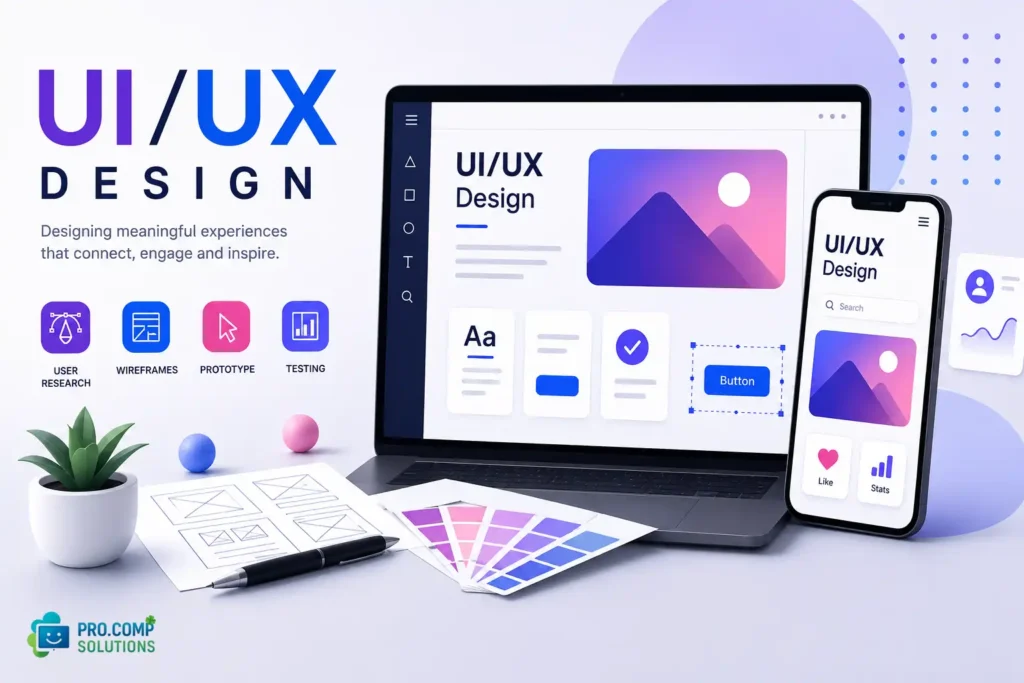
UX and UI design are essential for creating websites that are not only attractive, but also easy to use, clear and effective.
User Experience Design
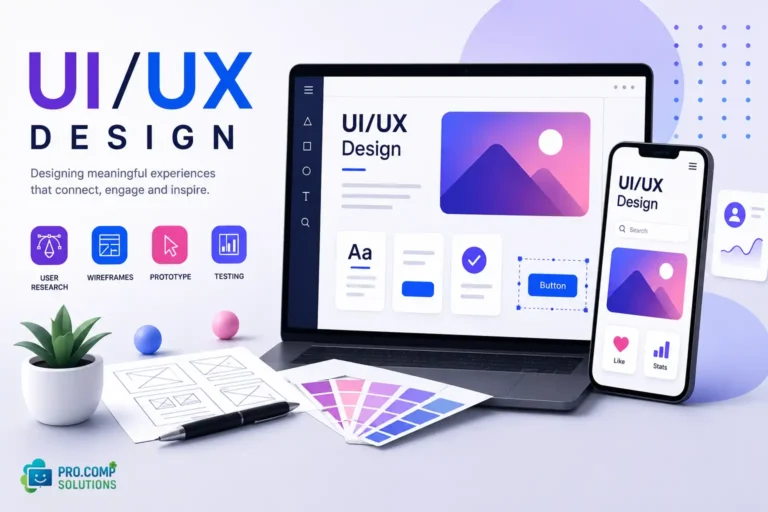
UX design focuses on how users move through a website. It considers user needs, navigation, accessibility, usability and the overall journey from arrival to action.
- Clear user journeys
- Simple navigation
- Usability testing
- Reduced frustration
User Interface Design
UI design focuses on the visual and interactive elements users see and touch. This includes buttons, forms, icons, spacing, colours, typography and layout consistency.
- Professional interface
- Clear buttons and forms
- Consistent visual style
- Responsive components
A thoughtful UX/UI approach can increase user satisfaction, improve trust and support business goals such as enquiries, bookings, purchases and newsletter sign-ups.
Why Web Design and Development Matter
A strong website is built from both creative design and technical development. When these areas work together, the result is a website that looks professional, performs well and gives users a better experience.
| Area | Benefit for Users | Benefit for Business |
|---|---|---|
| Layout and Structure | Users find information quickly and navigate with confidence. | Improves clarity, trust and professional presentation. |
| Responsive Design | Websites work properly on phones, tablets and desktops. | Reaches more users and improves engagement. |
| Clean Development | Pages load smoothly and features work reliably. | Supports scalability, maintenance and performance. |
| UX/UI Design | Users complete tasks with less confusion and frustration. | Can improve conversions, leads and customer satisfaction. |
Need a Professional Website for Your Business?
A modern website can help your business build trust, attract customers and create a better digital experience across all devices.
Contact Us Today